Understanding Pool Inspection Costs in Australia
- J B
- Jun 1
- 4 min read

Owning a pool in Melbourne comes with responsibilities, especially when it comes to safety and compliance. One important step is getting your pool inspected to ensure it meets legal standards. If you are wondering about the costs involved, this post will guide you through the key factors affecting pool inspection costs in Australia. I will also explain what you can expect during the inspection and why it is essential to keep your pool compliant.
What Influences Pool Inspection Costs?
Pool inspection costs can vary depending on several factors. Understanding these will help you prepare financially and avoid surprises. Here are the main elements that influence the price:
Location: Inspections in metropolitan areas like Melbourne may cost differently compared to regional locations due to travel and demand.
Pool Size and Type: Larger pools or those with complex features such as spas or waterfalls may require more time to inspect.
Inspection Scope: Some inspections cover only the pool barrier, while others include the pool’s structural integrity and equipment.
Inspector’s Experience: Certified and experienced inspectors may charge higher fees but provide more thorough assessments.
Additional Services: If you need a compliance certificate or follow-up inspections, these can add to the overall cost.
Typically, a standard pool safety inspection in Melbourne ranges between $150 and $300. This price usually includes a detailed report and a compliance certificate if your pool meets the required standards.
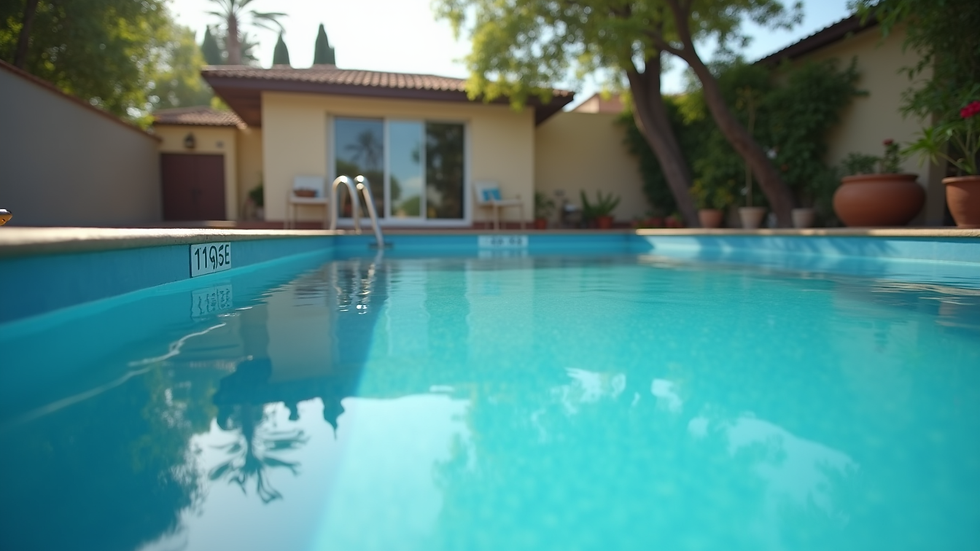
Pool Inspection Costs: What You Should Expect
When you book a pool inspection, the inspector will check several key areas to ensure your pool complies with local laws. These include:
Pool Fencing and Barriers: The inspector will verify that fences are the correct height, have no gaps, and that gates are self-closing and self-latching.
Pool Gates: Gates must open outward and be secure to prevent unsupervised access.
Pool Equipment: Pumps, filters, and other equipment will be checked for safety and proper installation.
Pool Condition: The overall condition of the pool structure, including tiles and surfaces, may be assessed.
Compliance Documentation: The inspector will review any existing certificates or permits related to your pool.
The inspection usually takes about 30 to 60 minutes, depending on the pool’s complexity. After the inspection, you will receive a report detailing any issues and recommendations for repairs or improvements.
If you want to know more about how much does a pool inspection cost, this link provides detailed pricing information and options available in Melbourne.
What is the Most Expensive Part of a Pool?
Understanding the costs involved in pool maintenance and repairs can help you budget better. The most expensive part of a pool often depends on the type of pool and its features. Generally, the following components tend to be the costliest:
Pool Barrier and Fencing: Installing or upgrading compliant fencing can be expensive, especially if you need to replace old or damaged barriers.
Pool Pump and Filtration System: These are essential for water circulation and cleanliness. High-quality pumps can be costly but are necessary for pool health.
Pool Resurfacing: Over time, pool surfaces may crack or wear out. Resurfacing can be a significant expense depending on the material used.
Pool Heating Systems: If your pool has a heating system, repairs or replacements can add to your costs.
For pool owners in Melbourne, investing in a good quality pool barrier is crucial. Not only does it ensure safety, but it also helps you pass inspections and avoid fines.

Tips to Keep Pool Inspection Costs Manageable
You can take several steps to keep your pool inspection costs reasonable while ensuring your pool remains safe and compliant:
Regular Maintenance: Keep your pool and its barriers in good condition to avoid costly repairs during inspections.
Know the Regulations: Familiarise yourself with local pool safety laws to address issues before the inspection.
Choose Experienced Inspectors: Hiring a qualified inspector can save you money by identifying problems early.
Schedule Inspections Early: Don’t wait until the last minute. Early inspections give you time to fix any issues.
Bundle Services: Some companies offer discounts if you combine inspections with other pool services.
By following these tips, you can reduce the risk of unexpected expenses and keep your pool safe for everyone.
Why Pool Inspections Are Worth the Investment
Getting your pool inspected might seem like an extra cost, but it is an investment in safety and peace of mind. Here’s why it matters:
Legal Compliance: Pool owners in Melbourne must comply with strict safety laws. Inspections help you meet these requirements and avoid penalties.
Safety for Everyone: Proper barriers and equipment reduce the risk of accidents, especially for children.
Property Value: A compliant pool adds value to your home and makes it more attractive to buyers.
Early Problem Detection: Inspections can uncover hidden issues before they become costly repairs.
Insurance Benefits: Some insurance policies require proof of compliance to cover pool-related incidents.
By prioritising pool inspections, you protect your family and your investment.
Planning Your Next Pool Inspection
If you are ready to schedule a pool inspection, consider the following steps:
Research Local Inspectors: Look for certified professionals with good reviews in Melbourne.
Request Quotes: Get detailed pricing to understand what is included.
Prepare Your Pool Area: Clear any obstacles and ensure gates and fences are accessible.
Review the Report Carefully: Use the inspector’s recommendations to plan any necessary repairs.
Keep Records: Store your compliance certificates and inspection reports safely for future reference.
Taking these steps will make the inspection process smooth and stress-free.
By understanding pool inspection costs and what to expect, you can confidently manage your pool’s safety and compliance. Regular inspections not only protect your family but also help you avoid fines and costly repairs. If you want to ensure your pool meets Melbourne’s legal requirements, start planning your inspection today.


Comments