Factors That Determine Pool Inspection Cost
- J B
- 2 days ago
- 4 min read

Owning a pool is a great way to enjoy the warmer months, but it also comes with responsibilities. One of the most important tasks is ensuring your pool meets safety standards. This is where a pool inspection comes in. If you are wondering about the costs involved, you are not alone. Understanding the factors that influence the price can help you prepare and avoid surprises. In this article, I will walk you through the key elements that determine pool inspection costs and what you can expect during the process.
Understanding Pool Inspection Cost
When it comes to pool inspections, the cost can vary widely. Several factors influence the final price, and knowing these can help you budget accordingly. The inspection is not just a quick look at your pool; it involves a thorough check of safety barriers, gates, locks, and other compliance features. The goal is to ensure your pool area is safe and meets local regulations.
Some of the main factors affecting the pool inspection cost include:
Size of the pool area: Larger pools or complex layouts take more time to inspect.
Type of pool: In-ground pools may require more detailed checks than above-ground pools.
Condition of the pool and barriers: Older pools or those with visible wear might need a more detailed inspection.
Location and accessibility: Pools in hard-to-reach areas or multi-level properties can increase inspection time.
Additional services: Some inspections include extra checks like water quality or equipment functionality.
Knowing these factors can help you understand why prices differ and what to expect when scheduling an inspection.

Key Elements That Influence Pool Inspection Cost
Let’s break down the main elements that impact the cost of a pool inspection in more detail. This will give you a clearer picture of what inspectors look for and why some inspections cost more than others.
Size and Complexity of the Pool Area
The size of your pool and the surrounding area is a major factor. A small, simple pool with a straightforward fence is quicker to inspect. On the other hand, a large pool with multiple access points, decks, and landscaping features requires more time and effort. Inspectors need to check every potential entry point to ensure it complies with safety standards.
Type of Pool and Safety Barriers
Different types of pools have different safety requirements. For example, in-ground pools usually require permanent fencing and self-closing gates. Above-ground pools might have different barrier options. The type and condition of these barriers affect the inspection time and cost. If your pool has custom or non-standard barriers, the inspection might take longer.
Age and Condition of the Pool
Older pools often have wear and tear that can affect safety. Cracks in the fence, rusted gates, or broken locks need closer examination. Inspectors may spend extra time documenting these issues and advising on repairs. Newer pools in good condition usually pass inspections faster, which can reduce the cost.
Location and Accessibility
If your pool is located in a tricky spot, such as a multi-level backyard or behind dense landscaping, the inspection can take longer. Inspectors need to access all areas safely and thoroughly. This can add to the time and cost of the inspection.
Additional Inspection Services
Some pool inspections include extra services like checking pool equipment, water quality, or compliance with local council requirements. These additional checks can increase the overall cost but provide a more comprehensive safety assessment.
What is the Most Expensive Part of a Pool?
When considering pool inspection costs, it’s helpful to know which parts of the pool are typically the most expensive to repair or replace. This can influence the overall cost if the inspection finds issues.
The most expensive part of a pool is often the safety barrier system. This includes fencing, gates, locks, and alarms. These components must meet strict safety standards to prevent accidents. If your pool’s barrier system is outdated or damaged, repairs or replacements can be costly.
Other expensive parts include:
Pool pumps and filtration systems: These are essential for water quality and circulation.
Pool structure repairs: Cracks or leaks in the pool shell can be expensive to fix.
Decking and surrounding surfaces: Damaged or unsafe decking may require replacement.
Understanding these potential costs can help you prepare for what might come after the inspection.
How to Prepare for Your Pool Inspection
Preparing your pool for inspection can help the process go smoothly and may even reduce costs. Here are some practical tips:
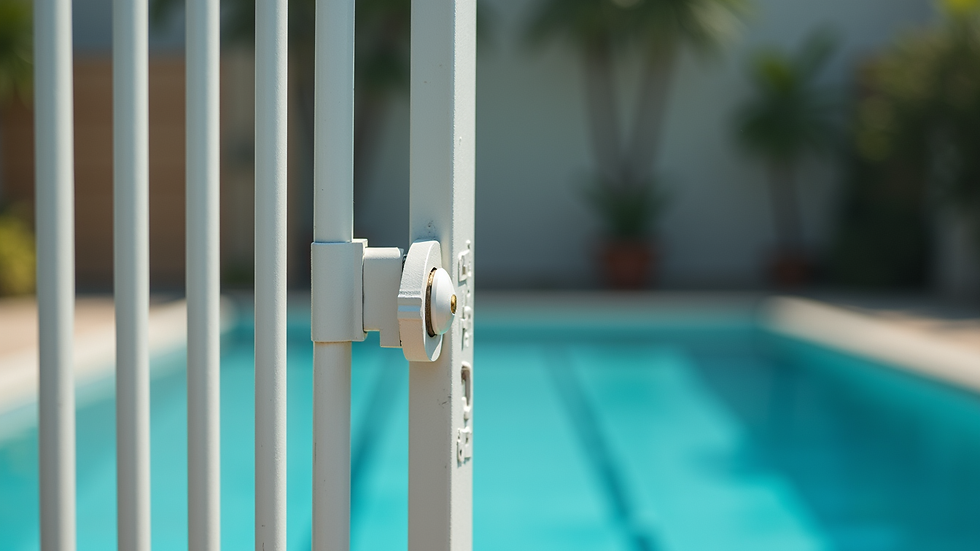
Check your safety barriers: Make sure fences and gates are in good condition and self-closing locks work properly.
Clear the area: Remove any obstacles or debris around the pool to give the inspector easy access.
Review local regulations: Familiarise yourself with Melbourne’s pool safety laws to understand what inspectors will check.
Fix minor issues: If you notice small problems like loose fence panels or broken latches, repair them before the inspection.
Gather documentation: Have any previous inspection reports or compliance certificates ready for reference.
By taking these steps, you can help ensure your pool passes inspection without delays or additional costs.
Why Pool Inspections Are Worth the Investment
While the cost of a pool inspection might seem like an extra expense, it is a valuable investment. Pool safety inspections protect your family and visitors by ensuring your pool area meets legal standards. They also help you avoid fines or legal issues related to non-compliance.
Regular inspections can catch problems early, saving you money on costly repairs later. They also provide peace of mind, knowing your pool is safe and compliant.
If you want to know more about how much does a pool inspection cost, visiting a trusted local service provider’s website can give you detailed pricing and service options.
Final Thoughts on Pool Inspection Costs
Understanding the factors that determine pool inspection costs helps you plan better and avoid surprises. The size, type, condition, and location of your pool all play a role in the final price. Preparing your pool ahead of time and knowing what to expect can make the process smoother.
Remember, investing in a thorough pool inspection is not just about compliance. It’s about safety and protecting your loved ones. Taking the time to ensure your pool meets all safety standards is a responsible and wise decision.
If you are ready to schedule an inspection or want more information, consider reaching out to a local expert who specialises in pool safety compliance. They can guide you through the process and help you maintain a safe and enjoyable pool environment.


Comments