How to Ensure Pool Safety Compliance in Australia: Your Guide to Pool Compliance Guidelines
- J B
- May 26
- 4 min read

Owning a pool in Melbourne is a wonderful way to enjoy the warmer months. However, it comes with responsibilities, especially when it comes to safety. Ensuring your pool meets all legal requirements is essential not only for your peace of mind but also to protect your family and visitors. This guide will walk you through the key steps to achieve and maintain pool compliance guidelines in Australia.
Understanding Pool Compliance Guidelines in Melbourne
Pool compliance guidelines are designed to keep pools safe and prevent accidents. In Melbourne, these rules are strict and must be followed by all pool owners. The guidelines cover everything from fencing to gates, and even the maintenance of safety equipment.
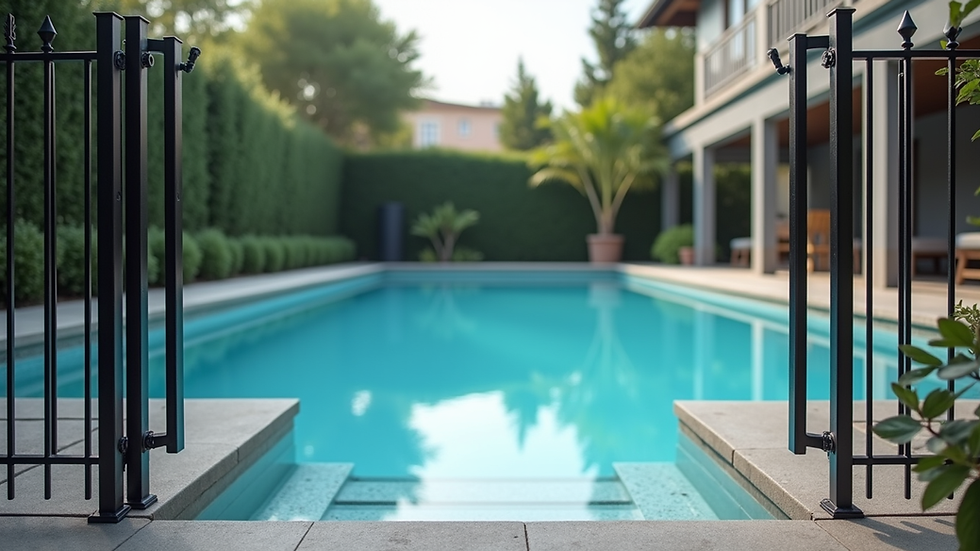
To start, you need to know what the law requires. For example, your pool must have a compliant barrier that prevents young children from accessing the water unsupervised. This barrier usually includes a fence that is at least 1.2 meters high, with no gaps or footholds that children could use to climb over.
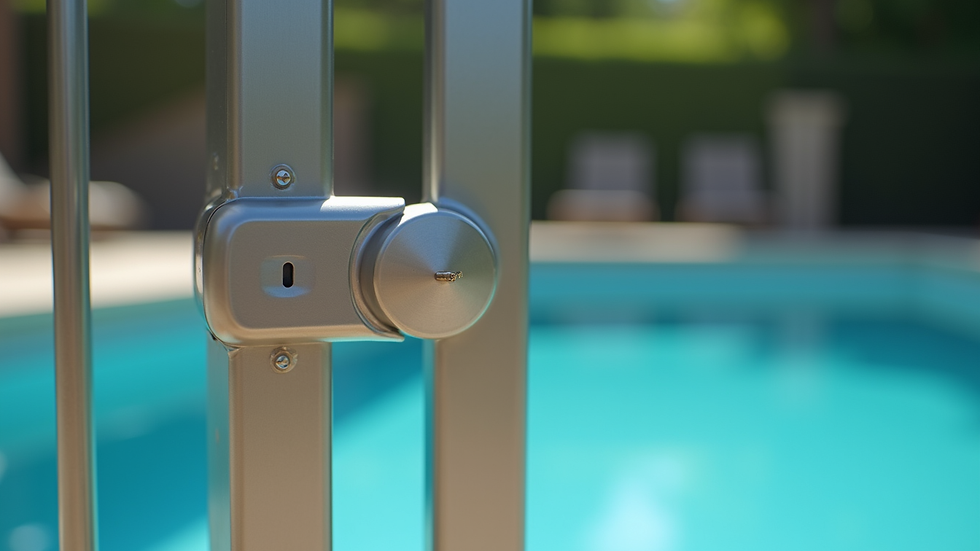
Another important aspect is the gate. It must be self-closing and self-latching, with the latch positioned high enough to be out of reach of small children. Regular checks are necessary to ensure the gate closes properly every time.
By following these pool compliance guidelines, you reduce the risk of accidents and avoid fines or legal issues. It’s a good idea to have your pool inspected regularly by a professional to confirm everything is up to standard.
What are Pool Safety Rules?
Pool safety rules are the specific requirements set by local and state governments to protect people around pools. These rules are not just suggestions; they are legal obligations.
Some of the key pool safety rules include:
Barrier requirements: The pool must be enclosed by a fence or barrier that meets specific height and design standards.
Gate standards: Gates must be self-closing and self-latching, with latches positioned at least 1.5 meters above ground.
Pool covers: If used, pool covers must be strong enough to prevent accidental drowning.
Signage: Some pools require safety signs, such as CPR instructions or depth markers.
Maintenance: Pool owners must keep the barrier and gate in good working order at all times.
These rules are in place to prevent drowning incidents, especially involving young children. Understanding and applying these rules is the first step toward full compliance.
How to Prepare for a Pool Safety Inspection
Preparing for a pool safety inspection can seem daunting, but it doesn’t have to be. Here are some practical steps you can take to get ready:
Check your fence and gate: Make sure the fence is at least 1.2 meters high and that there are no gaps or climbable objects nearby. Test the gate to ensure it closes and latches automatically.
Remove hazards: Clear the area around the pool of any furniture or objects that children could use to climb over the fence.
Inspect pool equipment: Ensure pool covers, alarms, and other safety devices are in good condition and functioning properly.
Review documentation: Have any previous compliance certificates or inspection reports ready for the inspector.
Fix any issues: If you notice any problems, such as a broken latch or damaged fence panel, repair them before the inspection.
By following these steps, you can feel confident that your pool will pass the inspection and meet all legal requirements.
Why Regular Pool Safety Checks Matter
Regular pool safety checks are crucial for maintaining compliance and ensuring ongoing safety. Even if your pool was compliant last year, wear and tear can cause issues over time.
For example, a gate latch might become loose, or a fence panel could weaken due to weather exposure. These small problems can create dangerous situations if left unaddressed.
Scheduling annual inspections with a qualified professional helps catch these issues early. It also provides you with an official compliance certificate, which is often required when selling a property or renewing insurance.
Keeping your pool safe is not just about meeting legal requirements; it’s about protecting lives. Regular checks give you peace of mind and help you avoid costly fines or legal trouble.
Taking Action: How to Get Your Pool Certified in Melbourne
Getting your pool certified in Melbourne is a straightforward process when you know what to do. Here’s a simple plan to follow:
Contact a licensed pool safety inspector: Choose a professional who understands local laws and has experience with pool compliance guidelines.
Schedule an inspection: Arrange a convenient time for the inspector to visit your property.
Prepare your pool area: Follow the preparation tips mentioned earlier to ensure your pool is ready.
Attend the inspection: Be present if possible to ask questions and understand any recommendations.
Receive your compliance certificate: If your pool meets all requirements, you will be issued a certificate valid for a set period.
Address any non-compliance issues: If the inspector finds problems, fix them promptly and arrange a re-inspection.
By following these steps, you can easily achieve and maintain pool safety compliance and enjoy your pool with confidence.
Staying Informed and Up to Date
Pool safety laws can change, so it’s important to stay informed. Regularly check official government websites or trusted local services for updates on pool compliance guidelines.
Joining local community groups or forums can also be helpful. Other pool owners often share useful tips and experiences that can keep you ahead of any changes.
Remember, maintaining compliance is an ongoing responsibility. By staying proactive, you ensure your pool remains a safe and enjoyable place for everyone.
By following these practical steps and understanding the pool compliance guidelines, you can confidently manage your pool’s safety. Regular inspections, proper maintenance, and staying informed are key to protecting your home and loved ones. If you need assistance, professional services like Eastern Pool Barrier Compliance are ready to help you meet all legal requirements with ease.


Comments